.png)
The Ultimate Pain "Flare-Up" Cheat Sheet

As much as we want our pain rehabilitation to be linear, we often deal with flare-ups and setbacks along the way, especially if our pain is chronic.
This results in us dealing with a sudden increase in pain symptoms, lasting hours or even days.
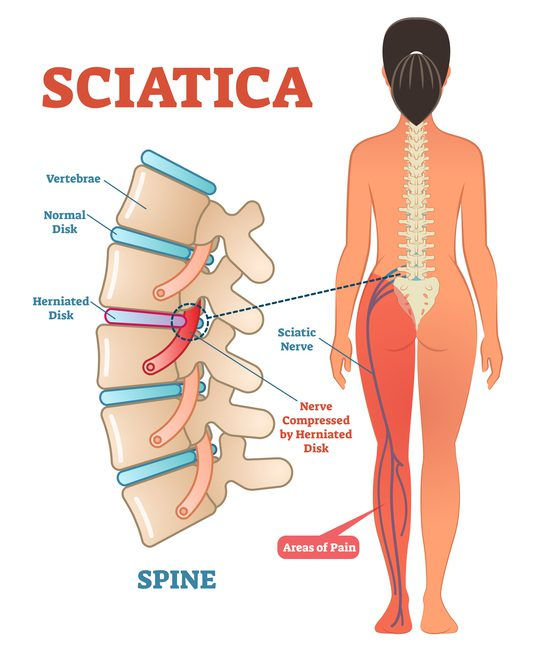
When I was rehabbing my disc herniation, I would have good days and bad days. Sometimes I'd test my lower back a little too much and ended up having to take a step back.
Other times, a flare-up is not related to what's physically happening and is the result of things like a lack of sleep and increased stress.
The good news is that most flare-ups do not represent an immediate danger or that you're doing damage to your body. Because your body is already healing and sensitive to that area, pain is more likely to be triggered.
In these moments, you're looking for immediate relief. Here's your cheat sheet on how to get it.
Step 1 - Relaxation and reassurance (R & R)
Pain is largely affected by our expectations. If we expect to deteriorate and fear that our body is breaking down, it can make our pain more intense. That's why reassurance and relaxing the nervous system is your first step.
Remember the previous statement that pain does not necessarily equal damage. Pain is not always a physical or structural issue, but a sensitivity one. Tying your shoes might normally be pain-free, but when you're rehabbing lower back pain, it can be uncomfortable.
When you're sensitive, things that would otherwise not trigger pain can do so. With your nervous system already sensitive in that area, calming things down is key.
Deep breathing and gentle activities will not only physically calm things down, but mentally as well. Distractions can be just as valuable as tangible pain relief methods.
Step 2 - Use quick pain relief solutions as needed
Methods that provide temporary relief, like using heat and ice, OTC (over-the-counter medication), and light soft tissue work, like a massage, can help blunt the initial pain of a flare-up.
Step 3 - Stay active
I once tweaked my lower back while deadlifting. You would assume that the best thing to do would be to avoid the exercise and go lie down and rest, but that's the worst thing you can do.
First of all, if you go completely sedentary after an injury or flare-up, your body will defensively tighten up, and when you try to get up and move again, it's going to be extremely uncomfortable.
Secondly, understand that the deadlift wasn't the problem in this case, but a factor of me doing too much.
So I unloaded the bar until it was empty, and started doing lighter deadlifts to stimulate the exact muscle that I tweaked. Ironically, this felt great, and the more repetitions I did, the better it felt.
As challenging as it can be when you're in pain, you have to keep moving however you can. You don't have to be as targeted as I was with the deadlifts, but activity that helps bring blood flow and circulation to the affected area can do wonders.
Better yet, it helps tell our nervous system that the movement is "okay", resulting in less sensitivity and decreased stiffness.
Step 4 - Understand the "why" so you can prevent future flare-ups
Flare-ups happen when we do too much, too little, or suffer other changes that affect our overall well-being (lack of sleep, increased stress, etc.)
Paying close attention to these factors is key, and the more self-aware you are, the better you'll be able to prevent future episodes.
Ask yourself a few questions:
Did I significantly increase the load on the affected tissue?
Have I not been moving enough recently?
Am I under-recovered? Have I slept enough recently?
Have I been mentally or emotionally stressed lately?
Chances are, one of these questions will give you a lightbulb moment, but keep in mind that multiple factors can be at play here.
Life is busy. We tend to lose track of things like this, but again, self-awareness is key.
At the end of the day, flare-ups are normal. Your pain doesn't always get better day by day, but as long as you're doing the right things and trending in the right direction, you'll recover just fine.
To your good health,
Coach Stephen
Thanks for reading.
P.S.
Whenever you’re ready, here are a few additional ways that I may be able to help you.
Free:
Instagram: @CoachStrumos
*I share tons of bite-sized lessons and tips here
Paid:
1-on-1 Pain Management and Strength Coaching: Apply here


Comments