.png)
3 mistakes you're making that are keeping you in pain

You could be your own worst enemy when it comes to why you're in pain without realizing it.
Nobody wants to be in pain. But there are key mistakes I see made often, knowingly or not, that keep people in pain far longer than they should be.
Mistake #1 - Continuously doing things that hurt.
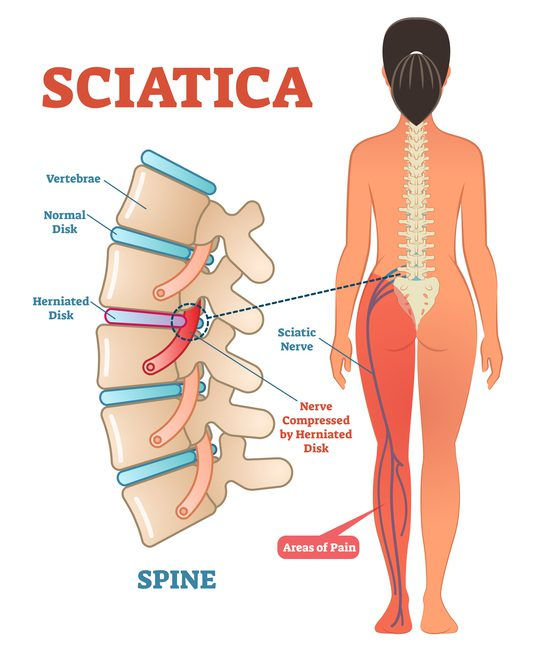
I worked with a client who was dealing with sciatic pain, but would feel better after moving and doing our prescribed rehab workouts.
But time and time again, he would come to me saying his back feels worse, and he doesn't know why. Asking a few good questions revealed why. He first went on a really long walk, longer than he'd been on in a few weeks. He told me he struggled to finish, and he was limping by the end.
The next day, he raked leaves outside for hours, in spite of the protesting his back was doing.
From his perspective, he was just doing normal things. But his back was only getting further irritated, and he was undoing the good work he was doing before.
As frustrating as it can be, we need to pick our battles and avoid or modify things that hurt until our body has a chance to recover. Not doing this is the equivalent of putting out a fire in your house only to light another one and wonder why the fire alarm is still blaring.
Mistake #2 - Maintaining a poor attitude regarding movement.
I had another back pain client who held many outdated beliefs about exercise.
She thought deadlifts were dangerous. She would ask me if a movement was going to "break her back", even though she had felt great after doing them before.
This may seem innocuous, but pain is affected by our level of fear, anxiety, and expectation about movement. The alarm system that is our brain will remain on high alert if we think any next movement is going to break us.
And when we move less, never challenge ourselves, and stick to old habits, we're fighting an uphill battle when it comes to solving our pain for good.
It's normal to initially have some fear, especially if a specific movement sparked your pain, and we've heard incorrect messaging for decades, but overcoming that fear is key.
If you're convinced that certain movements are bad and/or dangerous, you're going to convince yourself that you're right.
Mistake #3 - Not sticking with it.
I worked with someone who had unrealistic expectations about how quickly his pain would go away.
For context, he dealt with knee pain for the better part of 20 years. He was seeing relief in the first few weeks, but not enough in his eyes. Unfortunately, he stopped working through it.
When you're in pain for 20 years, there's a lot to work through, and it's going to take time. Progress can come in unexpected forms. It can look like the following, for example:
✅You have less frequent pain
✅You can do more at the same pain levels
✅You’re getting stronger
✅You’re more mobile with the same level of pain
✅You don’t stress about your pain as much
✅You understand better when to push and when to rest
Don't be your own worst enemy when it comes to pain.
To your good health,
Coach Stephen
Thanks for reading.
P.S.
Whenever you’re ready, here are a few additional ways that I may be able to help you.
Free:
Instagram: @CoachStrumos
*I share tons of bite-sized lessons and tips here
Paid:
1-on-1 Pain Management and Strength Coaching: Apply here


Comments