.png)
Your core does more than brace you - How to truly prevent back pain

It is often said that a strong core helps prevent back pain. However, there was no relation found between core strength and the risk of or experience of back pain, which you can read more about here.
Your core muscles are built to do more than brace your core as you would in a plank or a deadbug.
I worked with a client some time ago who was dealing with chronic back pain. She was following standard advice about keeping her back straight as well as staying consistent with her core exercises. She was admittedly really good at those exercises and could hold a plank for over two minutes easily.
But she was still dealing with considerable back pain. When I assessed her ability to flex her spine forward, bend it, and twist it, she was significantly limited and felt a lot of discomfort.
That's because she was so concerned with keeping her spine straight and rigid that she lost her ability to move it. I made the same mistake myself when rehabbing my own back pain years ago.
Your spine is built to flex, extend, rotate, and twist, all under load as well. Think of all the daily movements that require adaptable movement of the spine. Life doesn't happen with "perfect form".
What most don't realize is that your core both moves the spine, as well as prevents movement of the spine. If you neglect one or the other, you're leaving yourself deficient and vulnerable.
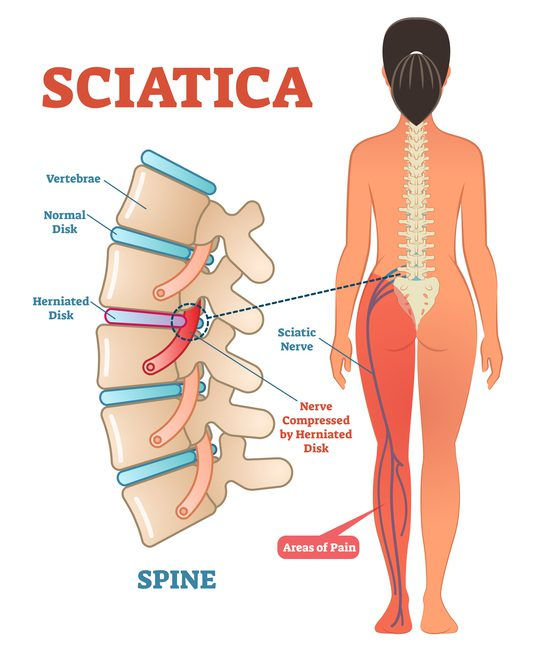
It's great to learn how to brace your core in a plank, but you need to open up your spine to move segment by segment. Every single vertebrae meeting a disk is another joint in your spine that can benefit from training.
So how can you go about it? Let's break it down into categories:
Spinal flexion

These would include movements like Jefferson curls and back extensions. They get your spine used to flexing forward (rounding) under load.
Spinal extension

These include movements like full range situps, back bridges, and supermans. They get your spine used to extending (arching) under load.
Lateral flexion

These include movements like side bends and off-loaded movements. They get your spine used to flexing to the side.
Rotation

These include movements like russian twists and woodchops. They get your spine used to twisting in combination with bending or extending.
After including movements like this in that client's program, her back pain improved significantly. Most importantly, her regular movement at home no longer aggravated her back, and she no longer had to think about what movements would and wouldn't trigger a flare-up.
All of this happened because her spine was now trained to both move and brace.
Including at least one exercise of each category in your routine is a great way to train your core not only to be strong while braced, but also while moving through its natural range of motion.
To your good health,
Coach Stephen
Thanks for reading.
P.S.
Whenever you’re ready, here are a few additional ways that I may be able to help you.
Free:
Instagram: @CoachStrumos
*I share tons of bite-sized lessons and tips here
Paid:
1-on-1 Pain Management and Strength Coaching: Apply here


Comments