.png)
The harsh truth about your pain mindset

The biggest mistake most people make when trying to rehab their pain is that they hyper-focus on physical and structural aspects.
For example, I may have lower back pain, and someone identifies that my glutes are weak and says that if I strengthen them, my back pain will be cured.
Training your glutes is great whether or not you have back pain, and it may indeed help, but we understand so much more about pain than just the structural components.

The biopsychosocial model of pain illustrates how many factors affect our pain. It helps explain why even after strengthening our glutes and stretching our hip flexors that we still experience pain.
An underrated factor that I see holding many people back is their own attitude towards their pain.
If I hold many outdated beliefs, such as that exercise creates wear and tear, or that I'm bound to get worse with age, my recovery outcomes will be worse.
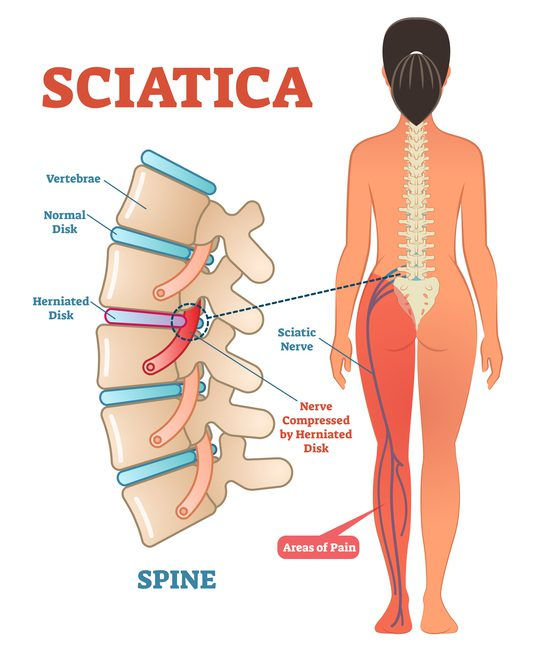
I remember a client who was convinced that deadlifts were bad for her. She had a sciatic issue and some nerve damage, and even after a year of working through it, refused to change this belief. She held on to what she was told decades prior by other professionals.
Despite this, she did see significant improvement in her condition; she was a heck of a lot stronger and no longer felt throbbing pains down her leg, but she would still lament the fact that she would never be fully recovered. I challenged her every time she brought up this line of thinking, but she held her ground.
All this to say, I can guarantee this client would have seen even better results if she had a more open mindset. Many studies show that even patients in hospital for various conditions show a different prognosis based on their positivity that they'll recover.
You can't think your way out of pain, but our mindset affects our behaviours, which affects our outcomes. I bet that if she was more open, she would have gotten more out of training and pushed into areas (like deadlifting) that would have built her confidence further.
I think it's important to examine our own biases and blind spots when it comes to anything, and pain rehabilitation benefits from the same.
To your good health,
Coach Stephen
Thanks for reading.
P.S.
Whenever you’re ready, here are a few additional ways that I may be able to help you.
Free:
Instagram: @CoachStrumos
*I share tons of bite-sized lessons and tips here
Paid:
1-on-1 Pain Management and Strength Coaching: Apply here


Comments